Measurement, Time & Scientific Infrastructure
Engineering depends on everyone using the same unit, the same calendar and the same terms. In the order inherited from the Ottomans, different regions used different units of measure, different ways of reckoning the hour and different calendars side by side. In its first fifteen years the Republic built this common ground by law.
Time, Numerals and Measure
- Unifying the clock and the calendar (26 December 1925). Parliament adopted two laws on the same day. Law No. 697 made the day begin at midnight and hours count from 0 to 24, with national time set by the 30th meridian passing through İzmit. Law No. 698 made the Gregorian calendar the official calendar from 1 January 1926, while the Hijri calendar stayed in use for special purposes.
- International numerals (1928). International numerals were adopted in the same year as the alphabet reform.
- Law on Weights and Measures. Law No. 1782 was adopted on 26 March 1931, published in the Official Gazette on 4 April 1931 and took effect on 1 January 1933. The decimal metric system of metre and kilogram was adopted, abolishing traditional units such as the arşın, endaze and okka. For example, the Istanbul dirhem weighed 3.207 grams and 400 dirhems made one okka.
Maps and Weather
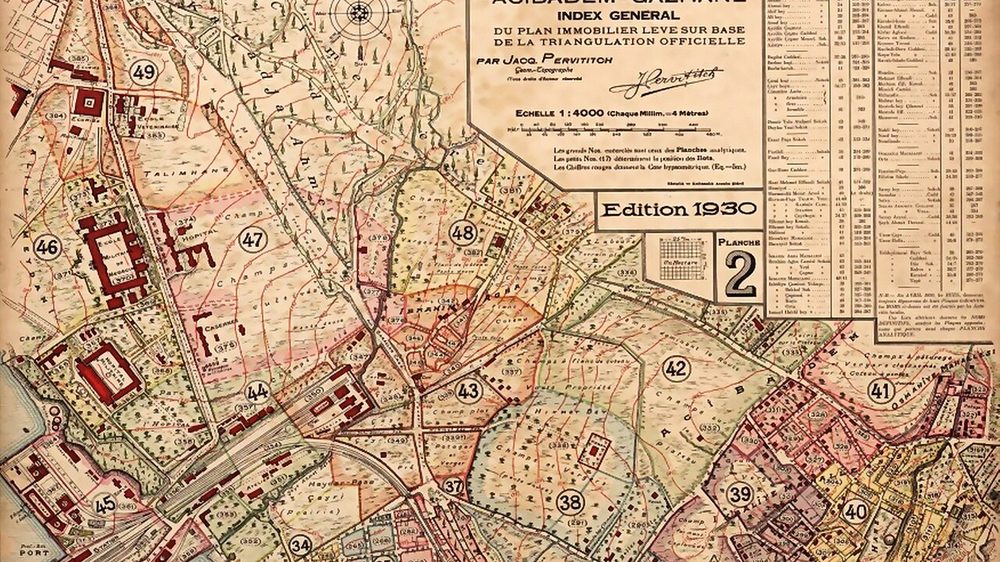
- Map Directorate (2 May 1925). The mapping organisation, descended from the 1895 Map Commission, was reorganised under the Republic by Law No. 657 as the Harita Umum Müdürlüğü.
- Rasâdât-ı Cevviye Institution (12 November 1925). Founded in Etlik, it was Türkiye's first meteorological institution; it was attached to the Ministry of Agriculture and headed by the Hungarian expert Réthly.
- General Directorate of Meteorology (10 February 1937). Law No. 3127 founded it to run meteorological services from a single centre. It is the forerunner of today's Turkish State Meteorological Service.
The Language of Science: Geometri (1937)
After the Third Language Congress of August 1936, Atatürk wrote a book giving Turkish equivalents for Ottoman geometry terms. It was written in the winter of 1936–37 at Dolmabahçe Palace and published in 1937 as a guide for geometry teachers and textbook authors. In its roughly 44–45 pages (about 129 terms, depending on the source) it Turkified terms such as açı (angle), boyut (dimension), çap (diameter), doğru (line), dörtgen (quadrilateral), eğri (curve), kare (square), kenar (side), küp (cube) and üçgen (triangle). The first edition carried no author's name; the terms were attributed to Atatürk in 1953 by the then secretary-general of the Turkish Language Association.